n00b guide into the Dutch hackerscene
A first step into a community you might not know yet. Companion article to the BSides talk by Nancy Beers
This is a start, I will add more information :) Not everything fits a 25 minute talk, so I tried to collect some nice links and places to start.
If you miss anything, please let me know at nancy@sannecyber.nl so I can add it thank you!❤️
So, you've decided to find out whether cyber security is something for you. Maybe you're a student, maybe you're changing careers. It can be intimidating to know where to start, and even more so to physically go somewhere when you don't know what to expect, especially if groups of people make you anxious.
I've spoken to a lot of people lately who told me: "If only I had known earlier that this is my crowd." Most people tumble into the scene by accident, through a friend, a random hackerspace or a camp. Some never find it at all. This guide is an attempt to change that.
- A little history
- What can you actually do?
- Events and places
- Online communities and resources
- Walking in when groups feel scary
- Start today
A little history
The history explains why the culture is the way it is.
The '80s: just curious
Home computers like the MSX, Commodore and Atari sat in living rooms. With a modem you could dial into a BBS, an early forerunner of the forum. Phreaking meant playing with the phone network out of pure curiosity about how it worked. Hacking wasn't a crime yet: computer trespass only became illegal in the Netherlands in 1993.
1989: Hack-Tic and the Galactic Hacker Party
Around Rop Gonggrijp and friends, the hacker magazine Hack-Tic appeared. In 1989 the Galactic Hacker Party took place in Amsterdam, one of the first international hacker gatherings in the world. The idea was simple: get hackers from all over the world into one room to share and build.
The camps: a festival every 4 years
From that party grew a tradition of Dutch hacker camps: tents in a field, their own network, and hundreds of talks and workshops run by volunteers.
You can find a talk about the history of Dutch Hackercamps here:
| Year | Camp |
|---|---|
| 1993 | Hacking at the End of the Universe (HEU) |
| 1997 | Hacking In Progress (HIP) |
| 2001 | Hackers At Large (HAL) |
| 2005 | What The Hack (WTH) |
| 2009 | Hacking at Random (HAR) |
| 2013 | Observe. Hack. Make. (OHM) |
| 2017 | Still Hacking Anyway (SHA) |
| 2022 | May Contain Hackers (MCH), postponed because of COVID |
| 2025 | What Hackers Yearn (WHY), near Alkmaar |
The same circle also gave us XS4ALL (1993), one of the first public internet providers in the Netherlands.
From underground to mainstream
- 2008: researchers at Radboud University showed that the OV-chipkaart (the Dutch public transport card) could be cracked.
- 2011: the DigiNotar hack, a certificate authority the Dutch government relied on, became a national affair.
- Responsible disclosure: reporting a vulnerability instead of abusing it became the norm.
- DIVD: the Dutch Institute for Vulnerability Disclosure, where volunteers find vulnerabilities and warn the owners.
The takeaway: the Dutch scene grew out of curiosity, sharing and showing what you've made. It was never an elite club with a diploma at the door, and that DNA is still there.
What can you actually do?
"Hacker" is not a job title, it's more of an attitude. Some of the directions you can take:
- Offensive: pentesting, red teaming, bug bounty
- Defensive: SOC, incident response, threat hunting
- CTF: puzzles with a competitive twist
- Hardware: IoT, soldering, badges, radio, lockpicking
- Reverse engineering: taking binaries apart, malware analysis
- Research & policy: disclosure, privacy, legislation, forensics
- Making: building tools, open source, creative projects
- Community: organising events, volunteering, connecting people
You don't have to be "technical enough"
The scene also has lawyers, journalists, designers, policy makers and community builders. Impostor syndrome is almost universal, even among people on stage. You don't have to start by hacking: you may start by watching, listening and asking questions.
Don't choose, try
- Do one CTF or lab of each type: web, forensics, hardware.
- Go to one meetup or event that sounds exciting, even if you feel only half ready.
- Ask one question: "What are you working on and what do you like about it?"
Events and places
The landscape runs from low threshold to intensive: online → meetup → hackerspace → conference → camp or hotel. You don't have to start at either end. Start small and close to home.
Hackerspaces: your third place
A hackerspace is a physical space where people work on projects: not home, not work, but somewhere in between. Examples in the Netherlands include Revspace, Techinc, Tkkrlab, Hack42, Hackalot and the Awesome Space. Find one near you on hackerspaces.org and check when their open evening is.
There's also a site for Dutch Hackerspaces:


Walk in and say: "I'm new and would like to look around." That's all you need.
Conferences and meetups
- BSides: community-driven, low threshold, lots of first-time speakers.
Bryce asked me to add this meetup :)

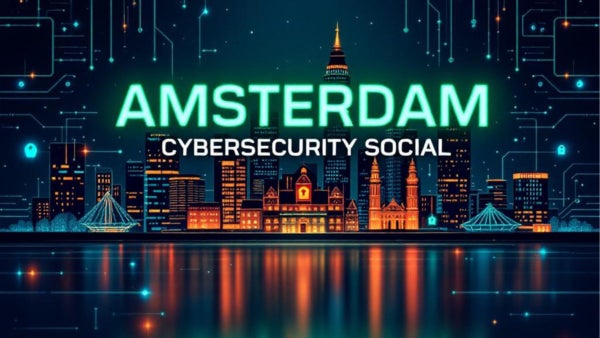
- Local meetups: OWASP chapters and WICCA, small evenings with a few talks.
- Bigger conferences: like ONE Conference, handy once you've picked a direction.
Tip: ask about student or volunteer tickets. Helping out is the fastest way to meet people.
For women and allies:


Find all cool things happening here:

Camps and cool events: the deep end
- The camp: every 4 years, in a field, with tents, villages and its own network. The latest edition was WHY2025 near Alkmaar.
 WHY2025 Organizers

- OrangeCon yearly 2 day conference


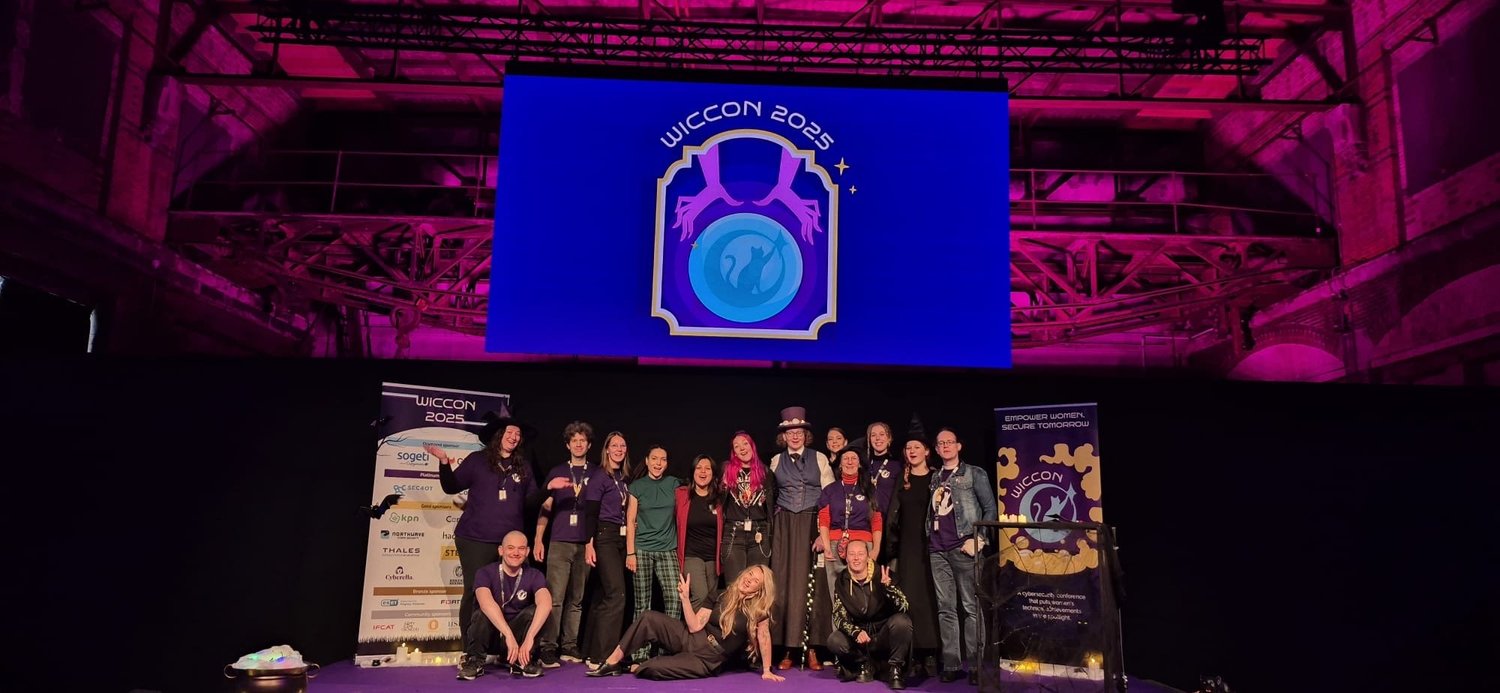
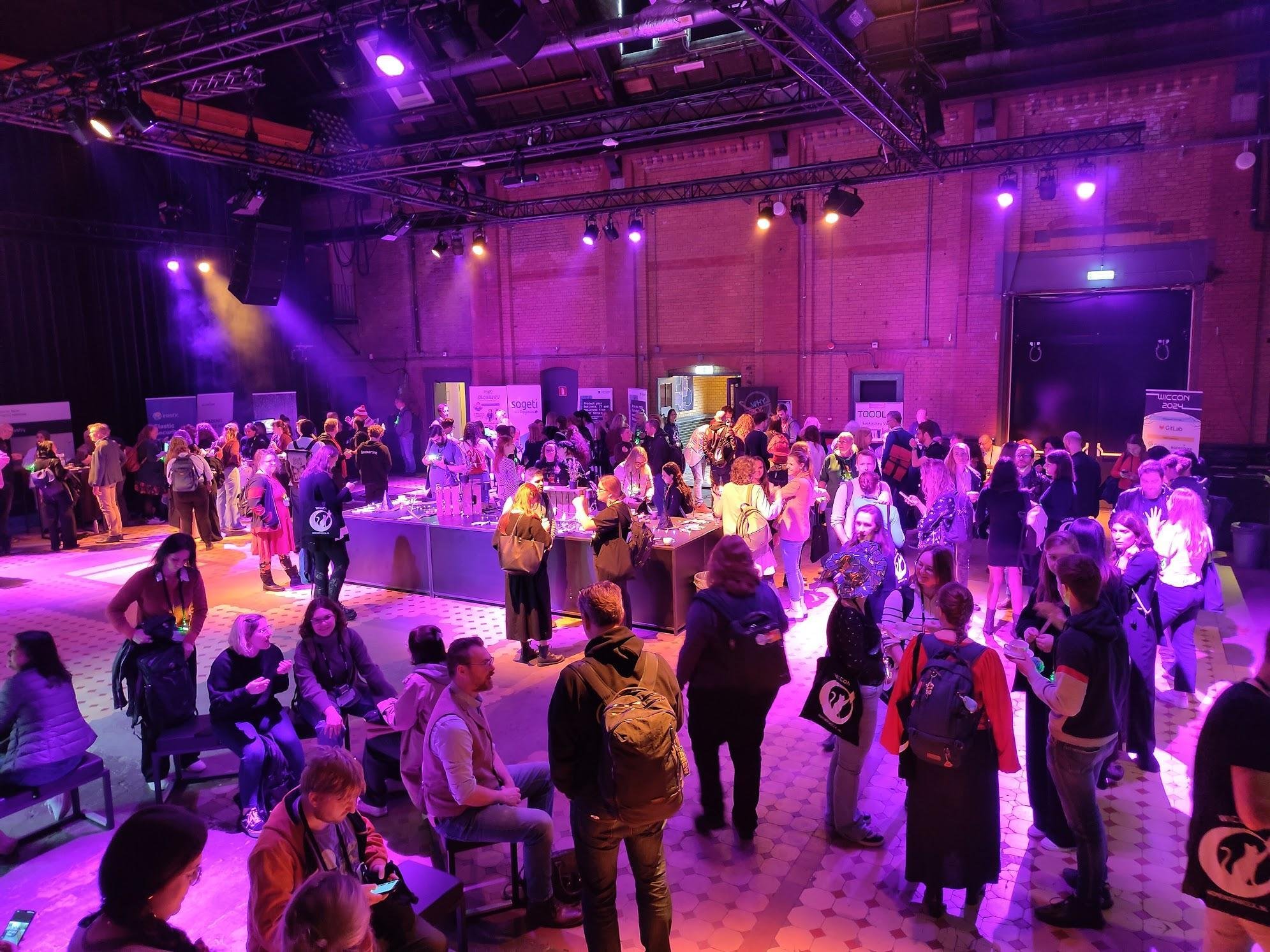
- WICCON/WICCA WICCON is a yearly 2 day conference organised by WICCA, with a lineup of women only. WICCA also organises monthly meetups.
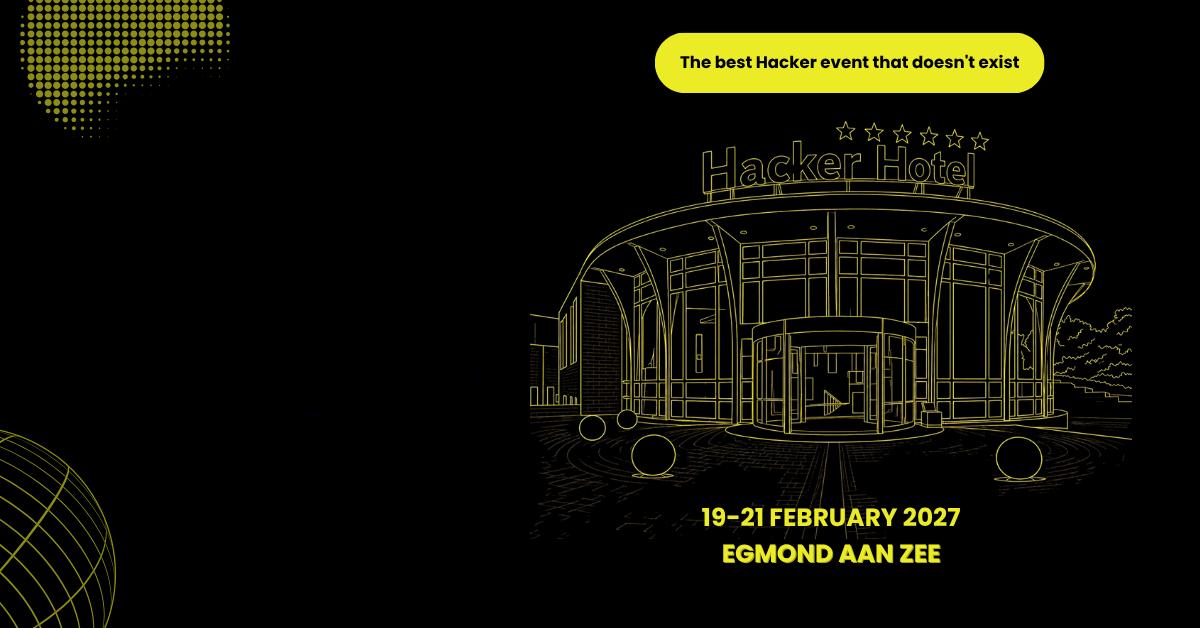
- Hackerhotel: a weekend in a hotel, smaller and cosier than a camp, with lots of hardware and CTFs.
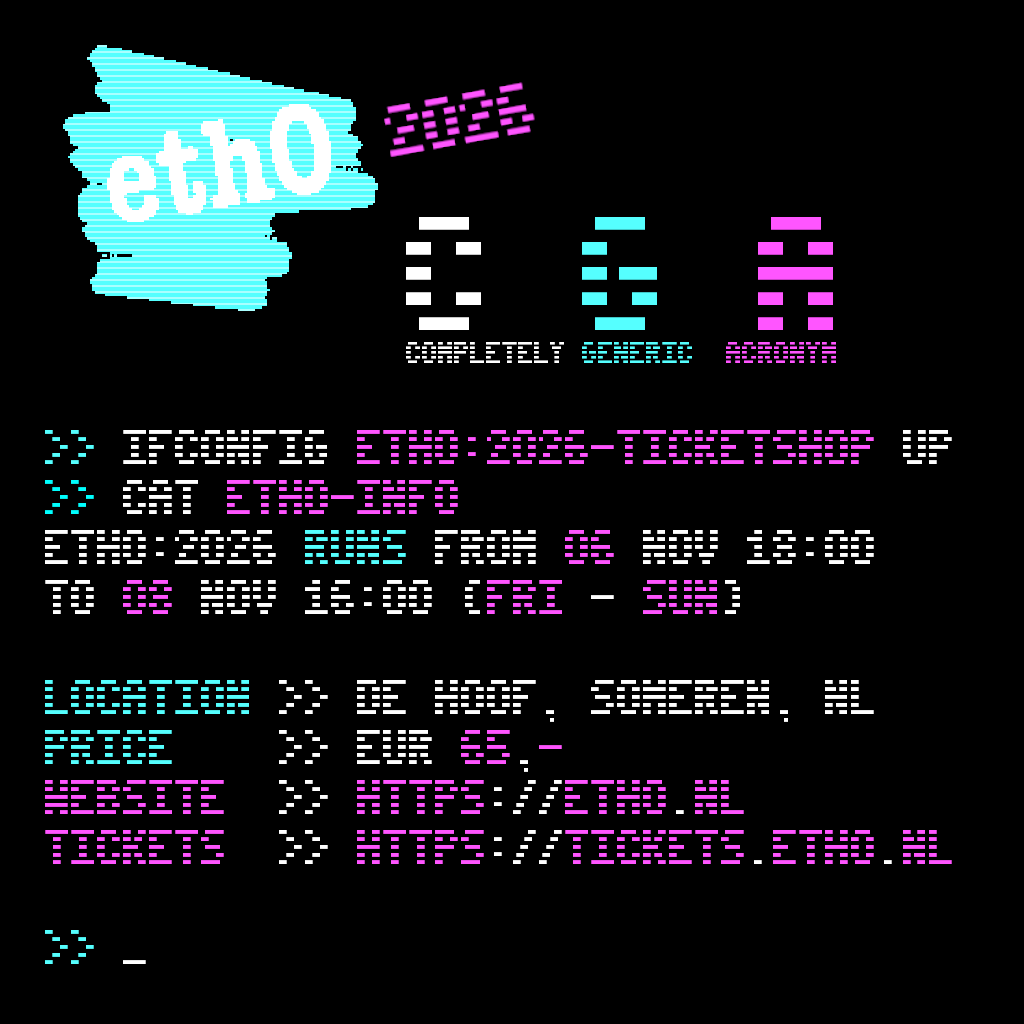
- eth0 Do-It-Yourself high-tech geek conference
- [tbd] Not a Camp, but still 😄
A bit abroad
- Chaos Communication Congress (Germany): the big end-of-year event, plus the Chaos Communication Camp roughly every four years.


- Electromagnetic Field (EMF) (UK) and Bornhack (DK): hacker camps in the same spirit as the Dutch ones. At both you can join a village, a working group or a project, or just hang around.



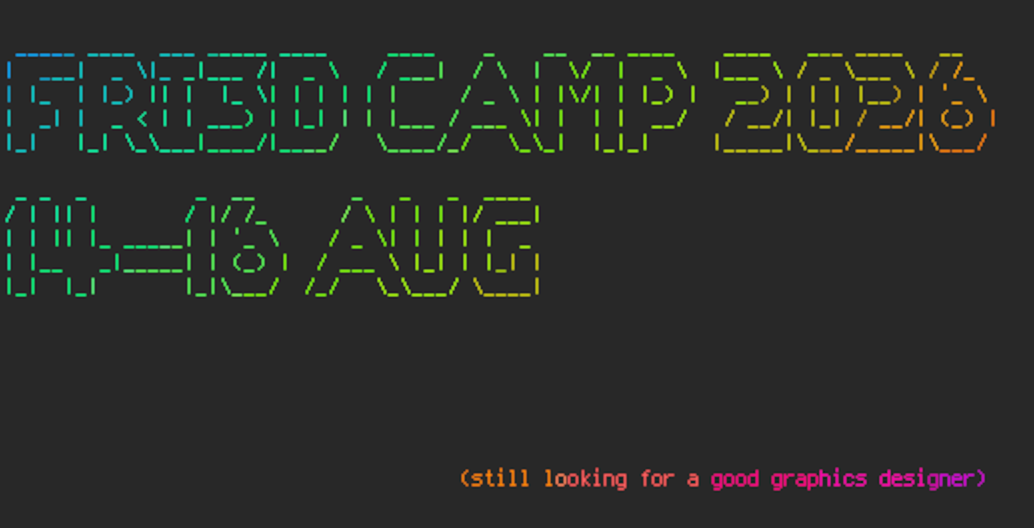
- Fri3dCamp (BE) Family/kids friendly camp every two years

- HOPE (US): huge, with villages for beginners.

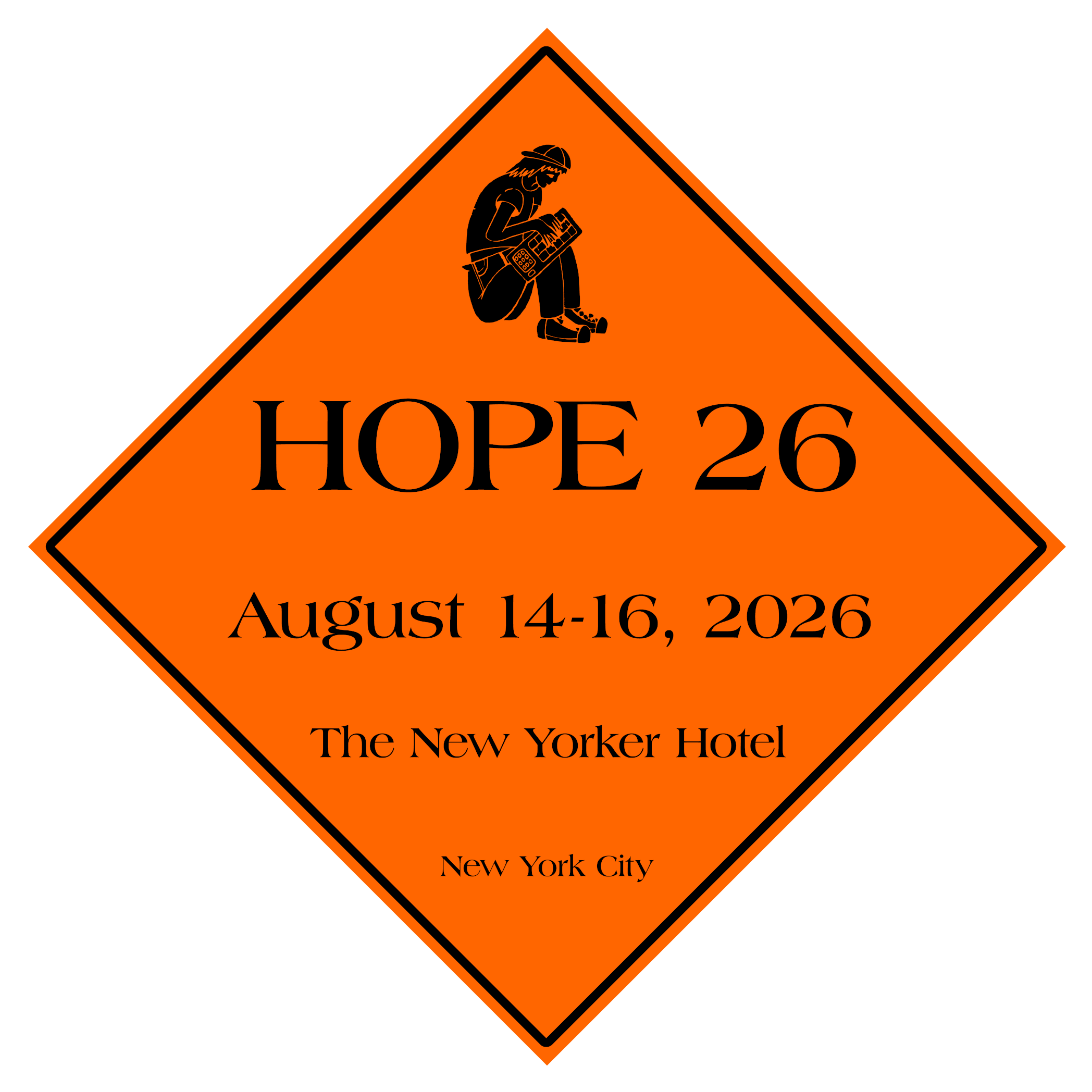
Many of these events have newcomer programmes, social channels and first-timer meetups.
Online communities and resources
Where to find your people
- Discord: servers of CTF teams, Dutch security communities and BSides organisations.
- Socials: Mastodon, Bluesky and LinkedIn all have big security communities.
- Local groups: Meetup.com, and Signal, Matrix or Telegram groups of hackerspaces.
- CTFtime.org: the worldwide CTF calendar, including teams looking for members.
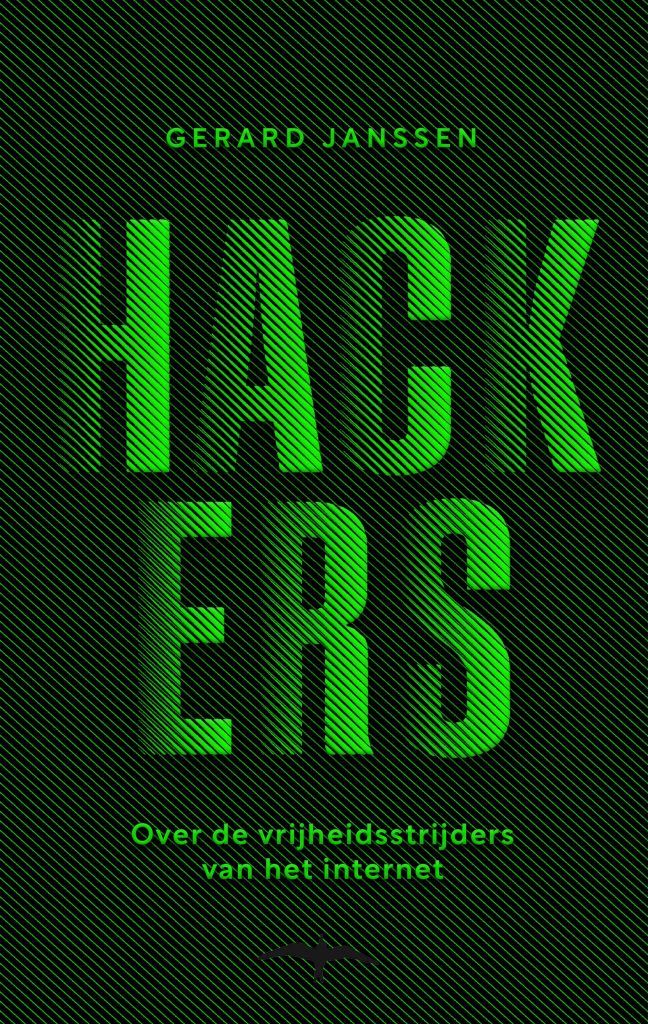
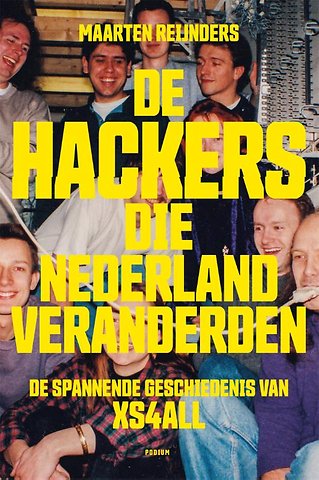
- Great reads about the Dutch Hackers scene:
 Gerard Janssen
 Maarten Reijnders
Places to practise
| For whom | Platform |
|---|---|
| Real beginners | TryHackMe, PicoCTF, OverTheWire |
| Web security | PortSwigger Web Security Academy, OWASP Juice Shop |
| More advanced | Hack The Box |
| Bug bounty | HackerOne, Bugcrowd (start by reading public reports) |
Only hack what you're allowed to hack: a lab, a CTF or a programme with clear rules.
Would you like to learn more about lockpicking? Checkout Toool.


Things to learn from
- YouTube: LiveOverflow, IppSec, John Hammond, WICCON
- Podcast: Darknet Diaries, stories about real hacks
- Talks: media.ccc.de has years of archives, including the camps
- In Dutch: NCSC, DIVD and local community blogs
Rewatch talks from events you missed. That's where you find the names of people to approach later: "I saw your talk and I had a question" is a great opening line.
Get them while they're young!
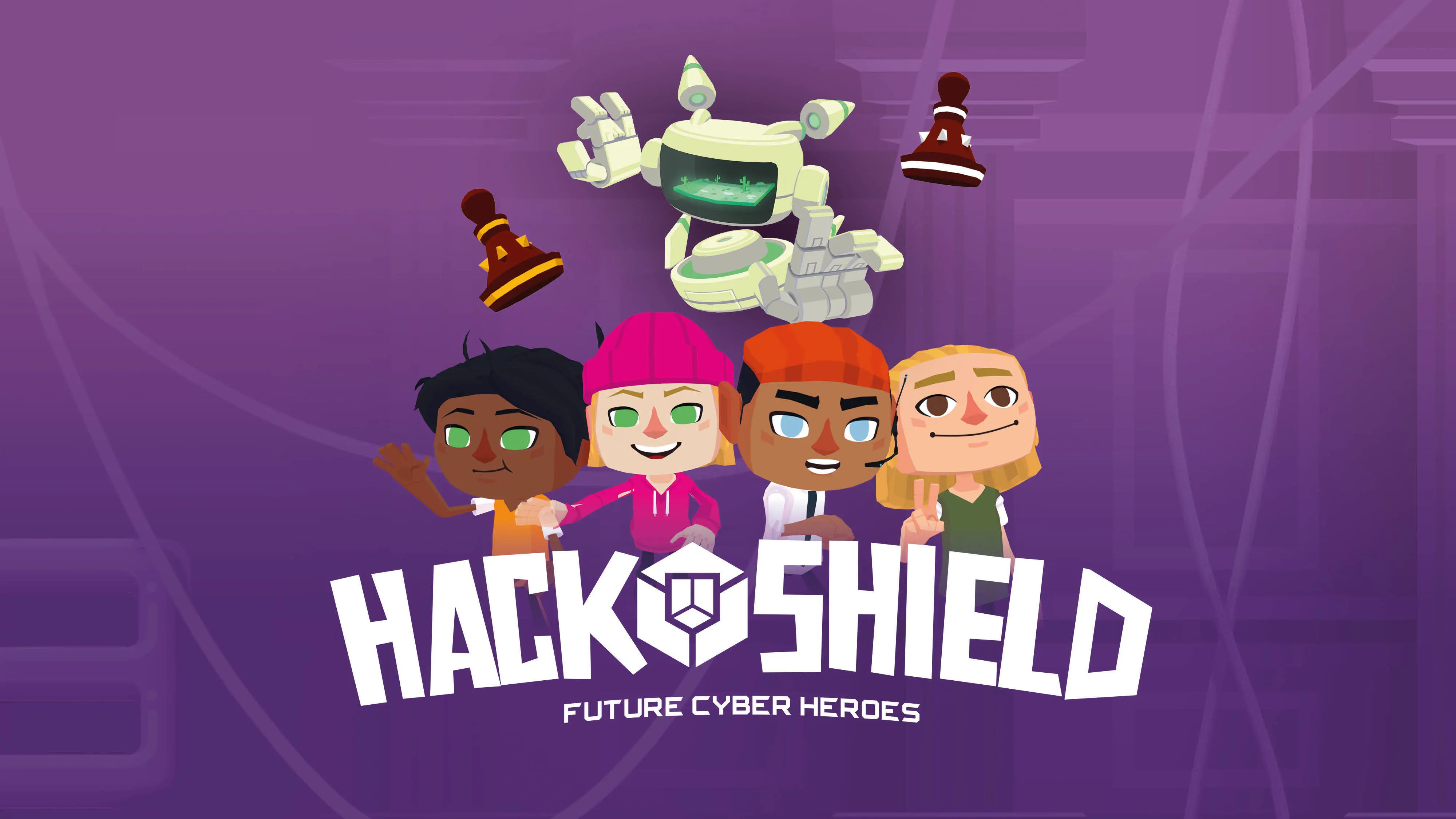
There is a lot out there for young curious minds.
Age 8-12:

Age 12-25


Young adults:



Walking in when groups feel scary
- Come with a task. Volunteer, solder a badge, join a CTF. A task makes talking easier.
- Find the small spaces. Workshops, villages and lockpick tables, where conversation happens naturally.
- Ask a question, don't give a pitch. "What are you working on?" is enough.
- Bring a buddy, or arrange one via a newcomer programme.
- You may leave. Taking a break is normal. Nobody counts how long you stay.
- You don't have to be an expert. You're welcome because you're curious.
Here's a very cool Blogpost on first timing an event:
 Valentine Mairet
What if I don't fit in?
The scene is diverse: ages, backgrounds, genders, neurodiversity, professions. If a place isn't for you, try another one, because every hackerspace and event has its own vibe. If you notice something unpleasant, many events have a code of conduct and a trusted person. Use them.
Start today
Pick one thing: one meetup, one hackerspace, one platform. Write it down now, and talk to one person today.
You've already started. This is your crowd.